What Is Saudi Vision 2030?
Saudi Vision 2030 is a government initiative launched on 25 April 2016 by Crown Prince Mohammed bin Salman to diversify Saudi Arabia’s economy, society, and culture. At its core, the plan addresses a long-standing vulnerability: an economy built almost entirely on oil revenue.
As of 2022, oil accounted for approximately 40% of Saudi GDP and 75% of its fiscal revenue — a dependency the Kingdom is determined to reduce.
The Three Pillars of Vision 2030
The vision is structured around three interconnected themes:
1. A Vibrant Society Building a culture-rich, active nation — expanding entertainment, sports, arts, and tourism, while improving quality of life and life expectancy for Saudi citizens.
2. A Thriving Economy Key priorities include increasing women’s participation in the workforce, attracting foreign direct investment, boosting non-oil exports, and growing the Public Investment Fund (PIF).
3. An Ambitious Nation The third pillar focuses on non-oil revenues, government effectiveness, e-government, household savings, and a stronger nonprofit and volunteering sector.
Landmark Giga-Projects Reshaping Saudi Arabia
Vision 2030 has given rise to some of the world’s most ambitious development projects:
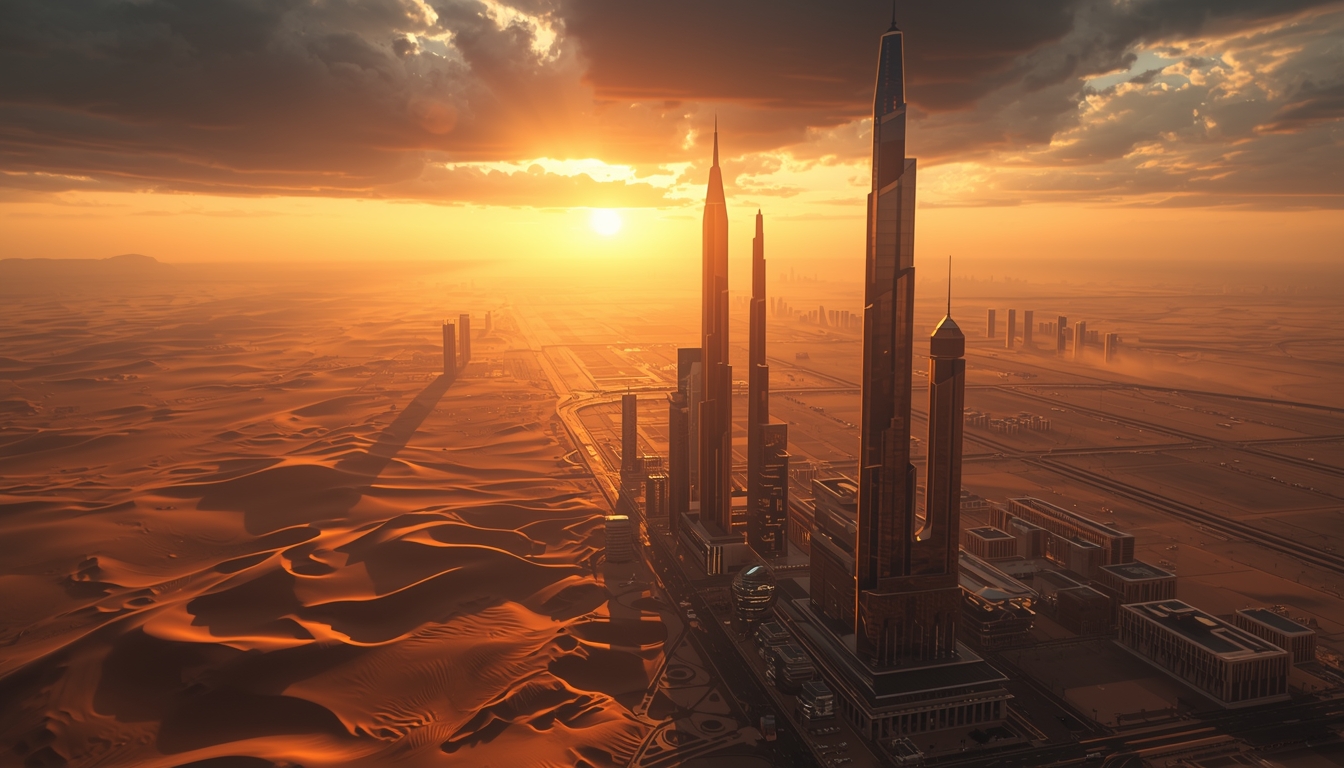
- NEOM – A $500 billion futuristic city in Tabuk, including The Line, a revolutionary linear urban concept designed to house millions with zero carbon emissions.
- Red Sea Global – A $23.6 billion luxury tourism destination spanning 32,200 km² along the Red Sea coastline.
- Qiddiya City – A massive entertainment and sports hub southwest of Riyadh, covering 360 km², which opened its Six Flags theme park in 2025.
- Diriyah Gate – A $63.2 billion heritage and culture project reviving Saudi Arabia’s historic first capital.
- New Murabba – A $50 billion modern downtown development in Riyadh, centered around the iconic Mukaab structure.
Saudi Arabia also secured the rights to host the 2034 FIFA World Cup and will host Expo 2030 in Riyadh cementing its position on the global stage.
Social Reforms Under Vision 2030
The plan has coincided with significant social changes inside the Kingdom:
- Women’s rights: Saudi Arabia lifted its driving ban for women in 2018, allowed women into sports stadiums, and introduced anti-harassment legislation. Female labor force participation rose from 20% in 2014 to 37% by Q3 2022.
- Entertainment: After a 35-year ban, movie theaters returned to Saudi Arabia in 2018. Annual events like Riyadh Season now attract millions of visitors.
- Tourism: In September 2019, Saudi Arabia launched tourist visas allowing visitors from 49 countries to enter for up to 90 days.
Economic Strategy and Investment
To finance its transformation, the Crown Prince announced an IPO of Saudi Aramco, with 5% of the company made public, generating capital to fund Vision programs. The Public Investment Fund (PIF) serves as the central engine for both domestic megaprojects and global investments — including an 80% stake in Premier League club Newcastle United.
Thirteen Vision Realization Programs (VRPs) were established to track and implement goals across areas including housing, financial sector development, human capital, privatization, and national industrial development.
Why Vision 2030 Matters for Businesses
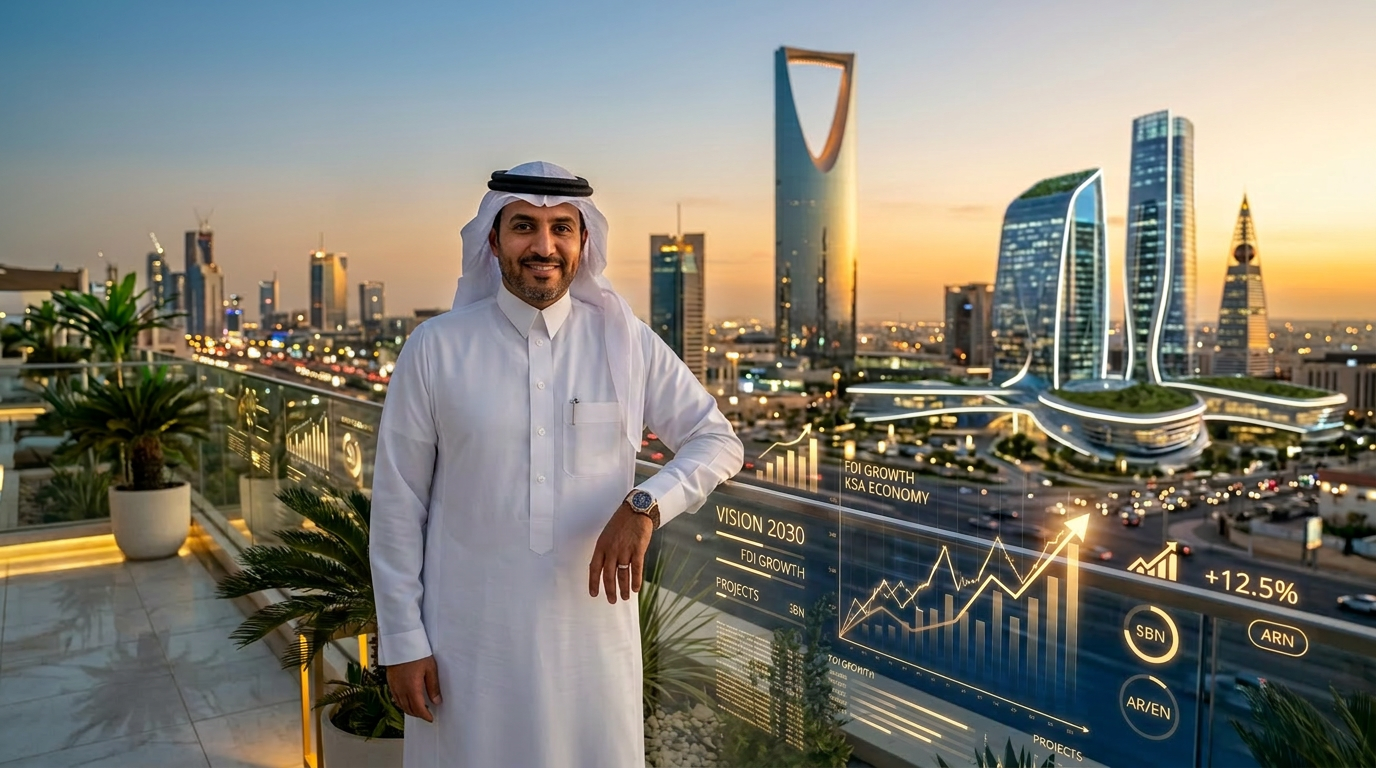
For companies operating in Saudi Arabia — or looking to enter the market — Vision 2030 represents one of the most significant economic transformations in the region’s history. Sectors including construction, tourism, hospitality, technology, healthcare, and entertainment are experiencing unprecedented growth and investment.
Whether you’re establishing a business, navigating MISA licenses, or expanding operations in the Kingdom, aligning your strategy with Vision 2030 priorities opens doors to government incentives, streamlined licensing, and a rapidly evolving consumer market.
Golden Hands Business Services helps companies across Saudi Arabia navigate company formation, government services, and business licensing — all in alignment with Vision 2030 goals.